When Grief Leads to Addiction in Texas

Grief does not always look like crying at a funeral. Sometimes it looks like a second drink every night, a prescription refill that comes a little too soon, or a slow drift away from the people who care about you. Loss takes many forms, and so does the way people try to survive it. For Texans already navigating one of the most stressful states in the country, unprocessed grief can become one of the quietest and most underestimated pathways into substance use disorder.

This is not a character flaw. It is a pattern that researchers, clinicians, and people in recovery have observed for decades. Understanding the connection between grief and addiction is one of the most important things a family member, friend, or person in pain can do.

A diverse group of adults sits in a circle during a support group session in a brightly lit room with arched windows. In the foreground, a man in a blue checkered shirt leans forward to place a comforting hand on the back of a woman whose back is to the camera. To her right, an older woman in a red shirt leans her head gently against the center woman's head and shoulder. In the background, other group members watch the interaction with empathetic and serious expressions.

Why Grief and Substance Use Are So Often Connected

When someone experiences a significant loss, the brain responds with a cascade of stress hormones and neurological disruption that can persist for months or even years. Sleep becomes difficult. Concentration falters. Everyday tasks feel impossibly heavy. For many people, alcohol or drugs offer what feels like a temporary reprieve from that weight. Research has long recognized that loss and unresolved grief can both initiate substance use and complicate recovery. A peer-reviewed study published in the Journal of Substance Abuse Treatment found that grief and loss are a common and often overlooked factor among women actively seeking treatment for substance use disorder, with bereavement identified as both a trigger for first use and a barrier to sustained recovery.

Texas adds its own layer of complexity. The state has among the highest rates of overdose deaths in the country, meaning that many Texans are grieving losses that were themselves caused by addiction. That compound grief, losing someone to a disease while carrying your own risk factors, creates a particularly difficult emotional terrain.

What Loss Can Look Like as a Trigger

Not all grief follows a death. The losses that drive people toward substance use are often more ambiguous, and therefore harder to name and address.

In Texas, natural disasters are a recurring source of community-wide grief. Hurricanes, winter storms, and flooding have left entire neighborhoods displaced and fractured. The psychological aftermath of those events, disconnection, uncertainty, and accumulated loss, can persist long after the physical damage has been repaired, and that emotional residue increases vulnerability to substance use.

How Grief Can Become a Cycle

One of the cruelest aspects of grief-driven substance use is the way it feeds on itself. Alcohol and many other drugs temporarily suppress the emotional pain of loss, but they also interfere with the neurological processes that allow people to actually move through grief. The result is a cycle: use blunts the pain, withdrawal or sober time brings the grief flooding back with added intensity, and using again becomes the fastest way to feel bearable again.

This cycle is also hard to interrupt because the person in it often does not identify as someone with an addiction problem. They are just trying to get through. The person who has a glass of wine every night to stop thinking about their mother. The person who stays on pain medication past the point their injury has healed. The person who started using after their marriage ended and cannot quite remember how to stop.

According to SAMHSA's 2024 National Survey on Drug Use and Health, nearly 50 million Americans met the diagnostic criteria for a substance use disorder in the past year. Among adults who experienced serious mental illness, including depression and anxiety disorders that frequently accompany grief, almost a third also met criteria for a substance use disorder. The relationship runs in both directions: mental health conditions increase addiction risk, and addiction deepens mental health struggles.

A blonde woman and a young man with curly dark hair sit facing each other in comfortable armchairs in a bright, modern office or counseling setting. The woman reaches across the space between them to gently hold the young man's hands in a supportive gesture. Both have serious expressions and are making direct eye contact. Between them is a small round table with a piece of paper and some colored pencils on it.

The Stigma That Keeps People From Getting Help

Many Texans who are using substances to manage grief do not seek help because they do not see themselves as having an addiction. They may believe that once they have time to heal, the drinking will naturally stop. They may feel shame about needing support for something as universal as loss. Or they may fear being judged by their community, their family, or their employer.

That stigma costs lives. The longer unprocessed grief fuels substance use, the harder the cycle becomes to break. Early support, whether through therapy, peer connection, or a dual diagnosis treatment program that addresses both the grief and the substance use simultaneously, dramatically improves the chances of lasting recovery.

What Treatment Looks Like When Grief Is the Root

Effective treatment for grief-driven addiction does not simply address the substance use and send someone home. It creates space to examine and process the underlying loss. Therapies such as cognitive-behavioral therapy, dialectical behavior therapy, and grief-specific counseling help people develop healthier ways to metabolize pain. Peer support groups offer something clinical therapy alone cannot: the presence of other people who have survived similar losses without losing themselves to substances.

A dual diagnosis approach is particularly important here. Treating substance use disorder without addressing the grief that is driving it is like treating a wound without removing the source of the injury. The underlying condition keeps reopening the wound.

For those who need flexibility, More Than Rehab's Virtual Intensive Outpatient Program offers structured, clinician-led care that does not require stepping away from work, family, or home. It is designed for people who are ready to get help but need treatment to fit their actual life.

Frequently Asked Questions

Can grief actually cause addiction?

Grief itself does not cause addiction, but it significantly increases vulnerability. Unprocessed grief disrupts sleep, mood regulation, and emotional resilience, all of which are factors that make substance use more likely and harder to stop. For people with existing risk factors, such as a family history of addiction or a prior trauma history, grief can be a powerful trigger for substance use disorder.

How long does grief-related substance use typically last?

There is no set timeline. For some people, substance use that begins during a period of grief tapers off as the loss becomes more integrated. For others, what starts as situational use develops into a physical or psychological dependency that requires professional support to address. The longer the pattern continues, the harder it typically becomes to interrupt without help.

Is it possible to treat both grief and addiction at the same time?

Yes, and clinical evidence strongly supports doing exactly that. Treating addiction without addressing the grief that underlies it often results in relapse once the emotional pain resurfaces. Integrated care that addresses both simultaneously is the more effective approach.

What if I'm not sure whether I have a problem?

If substance use is your primary way of managing grief, or if you have noticed that you cannot get through a difficult day without using, that pattern is worth talking to someone about. A confidential conversation with a treatment professional costs nothing and can provide clarity without any commitment.

If you or someone you love is struggling with grief and substance use, you are not alone, and help is available. At More Than Rehab, we understand that addiction rarely exists in isolation. Our Texas-based programs address the whole person, including the emotional losses that drive so many people toward substances in the first place. Reach out today for a confidential conversation.
What Is Xylazine ("Tranq") and Why Is It in Texas?

A veterinary sedative was never supposed to end up in human drug supplies. But xylazine, a drug used to sedate large animals like horses and cattle, has become one of the most alarming developments in the American overdose crisis. Known on the street as tranq, it is increasingly found mixed into fentanyl and other illicit drugs, often without the person using them having any idea it is there. Texas is not immune. Here is what you need to know.

What Is Xylazine?

Xylazine is an alpha-2 adrenergic agonist approved by the FDA for veterinary use only. It is used to sedate animals before procedures and has no approved human medical application. It works as a powerful central nervous system depressant, causing sedation, slowed breathing, and a significant drop in heart rate and blood pressure.

It does not produce a high on its own in the way opioids do. Drug suppliers use it as an adulterant because it prolongs and intensifies the sedative effects of fentanyl, and because it is cheap and largely unregulated. The person using the drug rarely knows it is present.

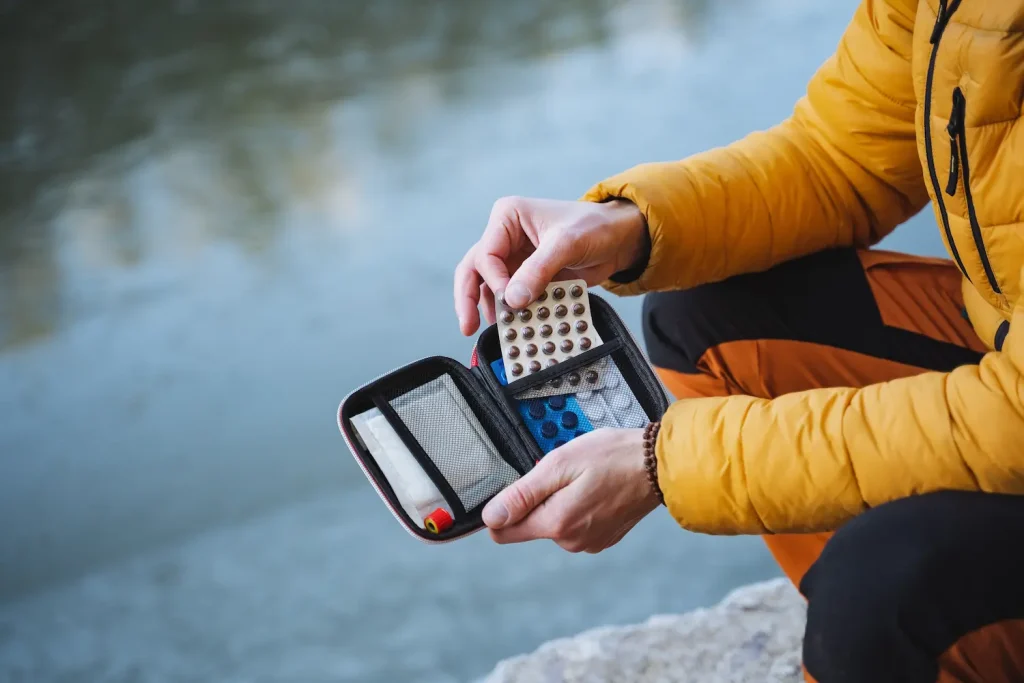
A person wearing a yellow jacket sits near a body of water, holding an open, small first-aid pouch and pulling out a blister pack of pills.

How Widespread Is Xylazine in the Drug Supply?

The Drug Enforcement Administration declared xylazine and fentanyl a national threat in 2023. The DEA found xylazine in drug samples from all 50 states. According to the CDC, the presence of xylazine in overdose deaths increased more than tenfold between 2018 and 2021, with the sharpest increases in the South and West.

In Texas, surveillance data from the Texas Health and Human Services Commission has documented xylazine-positive drug samples across major metropolitan areas including Houston, Dallas-Fort Worth, and San Antonio. Because xylazine is not a controlled substance in Texas or federally, it does not appear in standard drug testing panels, which means its true prevalence in the state is almost certainly higher than reported numbers suggest.

Why Xylazine Makes Overdoses More Dangerous

The most critical fact about xylazine is this: naloxone, the medication used to reverse opioid overdoses, does not reverse xylazine. Naloxone works by blocking opioid receptors, but xylazine acts on a completely different receptor system. When someone overdoses on fentanyl laced with xylazine, naloxone may partially reverse the opioid component while the xylazine continues to suppress breathing and blood pressure.

This means someone may appear to respond to naloxone and then lose consciousness again. It means bystanders and first responders may believe the crisis has passed when it has not. Emergency medical care is needed even when naloxone appears to work.

Xylazine also causes severe skin wounds at injection sites. These are not ordinary abscesses. The wounds associated with xylazine use can appear even at sites not directly injected, and they can progress rapidly to tissue death. The CDC and addiction medicine specialists have documented cases requiring amputation. Without medical treatment, these wounds are life-threatening.

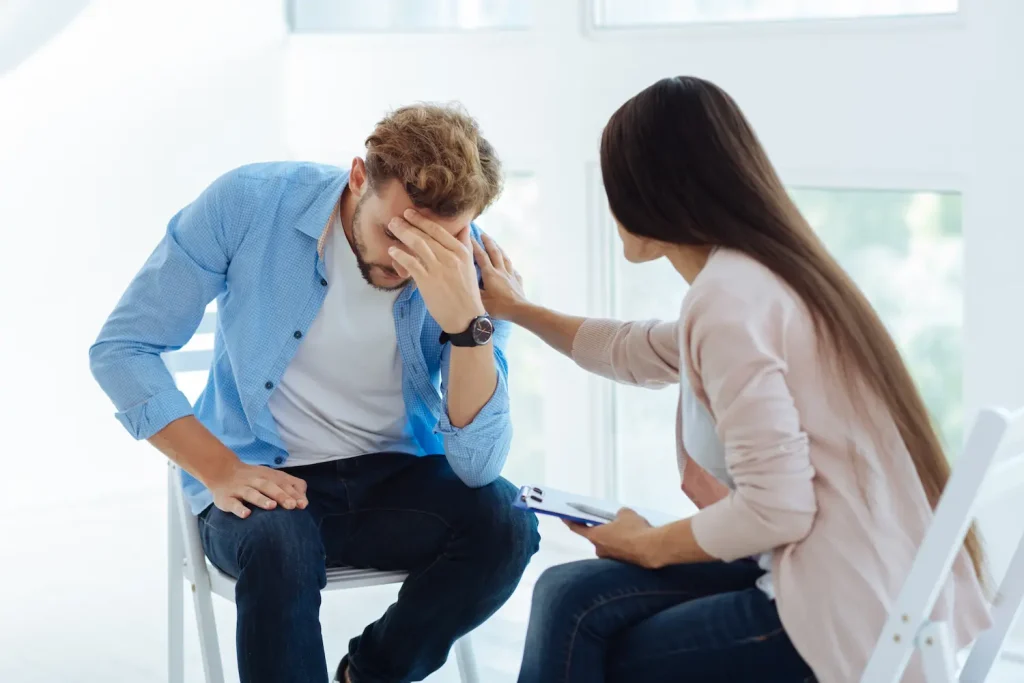
A woman holding a clipboard gently places a comforting hand on the shoulder of a distressed man sitting opposite her, who is looking down with his hand on his forehead.

What Families and People Who Use Drugs Need to Know

Naloxone is still essential. Even though it does not reverse xylazine, it reverses the opioid component, which gives someone more time for emergency services to arrive. Anyone who uses drugs or lives with someone who does should have naloxone on hand and know how to use it. Texas pharmacies dispense naloxone without a prescription.

Call 911 immediately. Because xylazine can cause continued deterioration even after naloxone is given, 911 is not optional. Texas has a Medical Amnesty Law that offers limited legal protection for people who call for help during an overdose. Use it.

Fentanyl test strips are legal in Texas and can identify the presence of fentanyl in a substance. Xylazine test strips also exist and are increasingly available through harm reduction organizations. The Texas Harm Reduction Alliance and local syringe service programs can help connect people to these resources.

Skin wounds need immediate medical attention. If you or someone you know has unusual wounds that are not healing or are worsening, seek care right away. Tell the treating provider about drug use so they can look specifically for xylazine-related tissue damage.

Xylazine and the Case for Treatment

There is no medication that specifically treats xylazine dependence. But the presence of xylazine in the drug supply strengthens the case for entering addiction treatment rather than continuing to use substances that become harder to predict and more dangerous every year.

Medication-assisted treatment for opioid use disorder, including buprenorphine and methadone, remains effective even when fentanyl and xylazine are both involved. Entering a supervised treatment program removes the guesswork about what is in the drug supply. For someone whose use has been escalating, the arrival of xylazine in Texas is a real and urgent reason to reach out.

Frequently Asked Questions

What does tranq do to the human body?

Xylazine acts as a central nervous system depressant. In humans it causes deep sedation, slowed breathing, dangerously low blood pressure, and bradycardia (slowed heart rate). With prolonged or repeated exposure it also causes severe, slow-healing skin wounds that can progress to tissue death even at sites that were not directly injected.

Does Narcan work on xylazine overdoses?

Naloxone (Narcan) does not reverse xylazine. It does reverse the opioid component of a fentanyl-xylazine overdose, which can buy time. But because xylazine continues to act on the body independently, anyone who receives naloxone during a suspected tranq overdose still needs emergency medical care immediately.

Is xylazine in the drug supply in Texas?

Yes. The DEA has confirmed xylazine is present in all 50 states, and Texas surveillance data has documented xylazine-positive drug samples in Houston, Dallas-Fort Worth, San Antonio, and other areas. Because standard toxicology screens do not test for xylazine, the actual prevalence is likely undercounted.

What should I do if I think someone has overdosed on a tranq-laced drug?

Administer naloxone if available and call 911 immediately. Do not leave the person alone even if they appear to respond to naloxone. Continue rescue breathing if needed. Texas's Medical Amnesty Law provides some legal protection for people who call for emergency help during an overdose.

If you or someone you love is struggling with opioid use or fentanyl addiction, the current state of the Texas drug supply makes getting help more urgent than ever. More Than Rehab offers confidential, compassionate care for substance use disorders. Reach out today for a conversation about your options.

Fentanyl-Laced Drugs in Texas: What You Need to Know

Fentanyl is now the leading cause of drug overdose deaths in the United States, and Texas is not exempt. What makes this crisis different from others before it is that fentanyl has spread far beyond the population of people who seek it out intentionally. It is showing up in cocaine, counterfeit prescription pills, methamphetamine, and MDMA. People are dying from substances they had no idea were contaminated. If you use drugs, love someone who does, or work in a field where this matters, understanding how fentanyl is moving through the Texas drug supply is no longer optional.

Why Fentanyl Is Everywhere Now

Fentanyl is a synthetic opioid that is 50 to 100 times more potent than morphine, according to the CDC. It was originally developed for cancer pain management and is still used medically in carefully controlled doses. The illicit version flooding the drug supply is manufactured in clandestine labs, primarily in Mexico using precursor chemicals from China, and distributed through trafficking networks into the United States.

The economics explain a lot. Fentanyl is cheap to produce, extremely potent in tiny quantities, and easy to transport because so little of it is needed to produce a powerful effect. Drug traffickers mix it into other substances to stretch supply, increase potency, and keep buyers coming back. From a distribution standpoint, it makes business sense. From a human standpoint, it is devastating.

A lethal dose of fentanyl is approximately two milligrams. That is an amount smaller than a few grains of salt. It cannot be seen, smelled, or tasted in a pill or powder. There is no way to know it is there without a test.

The Texas Picture: What the Numbers Show

Texas has been among the hardest-hit states in the country. According to the Texas Department of State Health Services, fentanyl-involved overdose deaths increased sharply throughout the early 2020s, with synthetic opioids now accounting for the majority of opioid overdose fatalities in the state. The problem is not confined to major metro areas. Rural communities, suburban counties, and border regions have all seen significant increases.

Texas’s geography compounds the problem. As a major border state with hundreds of miles of frontier shared with Mexico, Texas is a primary entry point for fentanyl moving into the broader U.S. supply. Law enforcement seizures at Texas ports of entry have increased dramatically, but interdiction alone cannot keep pace with the volume.

Young people are disproportionately affected. The CDC has identified drug overdose as the leading cause of accidental death for Americans between the ages of 18 and 45, with fentanyl driving the majority of those deaths. In Texas, parents are losing children who took what they believed was a single Xanax or Percocet purchased from someone they knew.

A clear glass bottle tipped on its side with white pills inside and white powder spilling out, illustrating the hidden danger of fentanyl-laced counterfeit medications.

Which Drugs Are Being Laced With Fentanyl

Fentanyl contamination is no longer limited to the opioid supply. Testing data from harm reduction organizations and public health agencies across the country has found fentanyl in:

This is the central danger of the current moment. Someone who has never used an opioid and has no tolerance whatsoever can be exposed to a substance capable of stopping their breathing in minutes without any warning. Opioid tolerance provides some protection against overdose. Most people who die from fentanyl-laced stimulants or counterfeit pills have none.

Recognizing a Fentanyl Overdose

Fentanyl overdose can happen within minutes of exposure. Knowing the signs can save a life. Call 911 immediately if someone shows any of the following:

Naloxone (Narcan) is an opioid reversal medication that can temporarily reverse a fentanyl overdose and restore breathing. In Texas, naloxone is available without a prescription at many pharmacies. Because fentanyl is so potent, multiple doses may be required. Administering naloxone and calling 911 are not mutually exclusive. Do both.

Texas has a medical amnesty law, also known as the Good Samaritan law, that provides limited legal protection for people who call 911 during an overdose. Fear of legal consequences should not stop anyone from making that call.

A small yellow warning triangle with a black exclamation point stands in focus in the foreground, with brightly colored pills blurred in the background, symbolizing the hidden dangers of counterfeit medication.

Harm Reduction Tools That Save Lives

Harm reduction is not a endorsement of drug use. It is an acknowledgment that people are going to make their own choices, and that keeping them alive long enough to access treatment is a legitimate and evidence-based goal. SAMHSA and the CDC both support harm reduction as part of a comprehensive public health response to the overdose crisis.

The most practical harm reduction tools available right now include:

Frequently Asked Questions About Fentanyl in Texas

How do I know if a pill or powder contains fentanyl?

You cannot tell by looking at it, smelling it, or tasting it. Fentanyl test strips are the only practical way to check. They are available online and through harm reduction organizations. A negative result reduces risk but does not eliminate it, since fentanyl may not be evenly distributed throughout a substance.

Is naloxone available over the counter in Texas?

Yes. Texas law allows pharmacies to dispense naloxone without an individual prescription under a standing order. Most major pharmacy chains stock it. Some local health departments and harm reduction organizations also distribute it at no cost.

What is Texas’s Good Samaritan law?

Texas Health and Safety Code Chapter 773 provides limited immunity from prosecution for certain drug offenses when a person calls 911 for an overdose in good faith. It is not a blanket protection, but it is specifically designed to remove the fear of arrest as a barrier to calling for help. When someone’s life is at risk, call 911.

What treatment options are available for fentanyl addiction in Texas?

Medication-assisted treatment (MAT) using buprenorphine or methadone is the most evidence-supported approach for opioid use disorder, including fentanyl addiction. Medical detox followed by inpatient or outpatient treatment, combined with behavioral therapy and peer support, gives individuals the best foundation for long-term recovery. Texas has treatment programs available across the state, including LegitScript-certified centers like More Than Rehab.

Getting Help Is Possible

The fentanyl crisis has made an already difficult problem more urgent and more dangerous. But treatment works, and recovery is possible even from opioid use disorder that began with an accidental exposure. The first step is making it through alive, and the next step is reaching out.

If you or someone you love is struggling with substance use or has been affected by the fentanyl crisis, More Than Rehab is here to help. Reach out today for a confidential conversation about treatment options in Texas.

Your Brain on Withdrawal: Why Quitting Feels Impossible

If you’ve ever tried to stop using drugs or alcohol and found yourself flooded with anxiety, unable to sleep, convinced that something was deeply wrong with your body, you weren’t being dramatic. Something was wrong. Withdrawal isn’t a character test. It’s a neurological event, and understanding what’s actually happening in your brain during this process can make the difference between pushing through and walking away from treatment before it has a chance to work.

How Drugs Change Your Brain in the First Place

To understand withdrawal, you first have to understand what chronic substance use does to the brain over time. Most drugs that cause physical dependence work by flooding the brain’s reward system with dopamine, or by mimicking chemicals the brain already produces naturally. Opioids, for instance, bind to the same receptors the brain uses to manage pain and pleasure. Alcohol and benzodiazepines enhance the effects of GABA, a neurotransmitter that slows brain activity and produces calm.

The brain is extraordinarily adaptive. When it detects that dopamine or GABA signals are consistently higher than normal, it compensates by reducing its own production and making receptors less sensitive. This is called neuroadaptation, and it’s the biological engine behind tolerance. You need more of the substance just to feel like yourself.

Here’s the problem. Once the brain has restructured itself around the presence of a substance, removing that substance doesn’t immediately restore balance. It creates the opposite of the drug’s effect. The brain, now operating with a deficit of natural dopamine or GABA signaling, goes into overdrive trying to compensate. That overcorrection is withdrawal.

Wooden letter tiles spelling the word 'WITHDRAWAL' lined up in focus on a desk, surrounded by scattered tiles, introducing the concept of drug and alcohol detox.

What Withdrawal Actually Feels Like Neurologically

Different substances produce different withdrawal profiles, but the underlying mechanism is similar: the brain is out of chemical balance and fighting to restabilize. According to the National Institute on Drug Abuse (NIDA), withdrawal symptoms vary by substance but commonly include severe anxiety and restlessness, insomnia, muscle pain and cramps, nausea and vomiting, sweating and chills, and intense cravings for the substance.

Some of the most physically intense withdrawal experiences come from:

None of this is the body punishing you for quitting. It’s the body doing exactly what it’s supposed to do. Healing is messy before it gets better.

Why the Brain Fights Back So Hard

The prefrontal cortex, the part of your brain responsible for decision-making, impulse control, and rational thinking, is one of the areas most affected by long-term substance use. Research from NIDA shows that chronic drug use physically alters the structure of the prefrontal cortex, impairing the very systems you’d need to resist cravings and make clear decisions in early recovery.

At the same time, the amygdala, the brain’s threat-detection center, becomes hyperactive during withdrawal. This is why even minor stressors can feel catastrophic when someone is detoxing. The alarm system is stuck on high. Everyday discomfort registers as danger, and the brain knows from experience that the substance will turn that alarm off quickly.

This is not weakness. This is neurochemistry. And it’s one of the clearest reasons why willpower alone is rarely enough to get through withdrawal, and why medically supervised detox exists.

The Timeline: When Does It Start to Get Better?

One of the most important things to know about withdrawal is that it’s temporary. The brain does heal. Timelines vary depending on the substance, the length of use, and individual physiology, but here is a general picture:

•       Opioids: Acute withdrawal typically peaks within 36 to 72 hours and begins easing by day five to seven, though fatigue and mood disruption can linger for weeks.

•       Alcohol: Symptoms can begin within hours of the last drink, peak around 24 to 72 hours, and carry serious medical risk during that window.

•       Stimulants: The crash begins within hours, with depression and fatigue peaking in the first one to two weeks before gradually improving.

Post-acute withdrawal syndrome (PAWS) is a separate phenomenon that can follow acute withdrawal for months, characterized by mood swings, sleep problems, and intermittent cravings. PAWS is one reason why ongoing support after detox matters as much as detox itself. The SAMHSA National Helpline (1-800-662-4357) is a free, confidential resource available 24 hours a day for anyone navigating this stage.

A close-up of a person sitting down, nervously scratching and rubbing their hands together, illustrating the severe physical restlessness and anxiety common during drug withdrawal.

Why Detoxing Alone Is Dangerous

Attempting to detox without medical supervision is one of the most common and most preventable reasons people don’t make it through early recovery. For alcohol and benzodiazepine withdrawal in particular, the CDC and major addiction medicine organizations identify withdrawal as a potential medical emergency. Seizures and delirium tremens can occur without warning, and both can be fatal without immediate intervention.

Even for substances where withdrawal is not immediately life-threatening, the intensity of symptoms drives relapse at a very high rate. Medical detox exists to manage those symptoms safely, to keep the person comfortable enough that their brain has a real chance to begin stabilizing, and to bridge them into the next phase of treatment while the window is open.

Frequently Asked Questions About Drug Withdrawal

How long does drug withdrawal last?

It depends on the substance and the individual. Acute opioid withdrawal typically resolves within a week. Alcohol withdrawal peaks within the first three days and carries medical risk during that window. Stimulant withdrawal can cause depression and fatigue for several weeks. Post-acute withdrawal symptoms, including mood changes and cravings, can persist for months in some cases.

Why does withdrawal feel so physically painful?

The physical pain of withdrawal happens because the brain and body have restructured themselves around the presence of a substance. When that substance is removed, the nervous system overreacts trying to restabilize. For opioids specifically, the pain-signaling system that was suppressed by the drug suddenly has no buffer, producing intense muscle pain, cramps, and restlessness.

Is it safe to detox at home?

Detoxing from alcohol or benzodiazepines at home can be life-threatening and is not recommended under any circumstances without medical supervision. For other substances, home detox is rarely successful because the intensity of symptoms drives relapse before the brain has time to stabilize. Medical detox significantly improves safety and completion rates.

What helps with withdrawal symptoms?

Medically supervised detox is the most effective approach. Depending on the substance, medications such as buprenorphine, methadone, or naltrexone for opioids, or benzodiazepines for alcohol withdrawal, can significantly reduce symptom severity. Hydration, rest, and mental health support are also important. After acute withdrawal, continued treatment addresses the psychological and behavioral aspects of recovery.

Recovery Starts With Understanding What You’re Up Against

Withdrawal is hard because it’s supposed to be hard. The brain doesn’t give up a substance it has restructured itself around without a fight. That fight is not a sign that recovery is impossible. It’s a sign that the brain is doing exactly what brains do: adapting. With the right support in place, that same adaptability becomes the foundation of recovery.If you or someone you love is struggling with substance use, More Than Rehab is here to help. Reach out today for a confidential conversation about what treatment looks like and what to expect. You don’t have to figure this out alone.

Alcohol Awareness Month: The "72-Hour Test" and the Biology of Dependence

April is National Alcohol Awareness Month 2026, a time dedicated to local, state, and national efforts to educate the public about the treatment and prevention of alcoholism. Here in Texas, where "beer garden" culture and backyard BBQs are a way of life, the line between social drinking and physical dependence can become incredibly blurry.

Most people who struggle with alcohol don't fit the "rock bottom" stereotype. They have jobs, they drive their kids to soccer practice in Plano or Katy, and they haven't lost their homes. However, many are living in a state of "functional dependence"—where the body has physically adapted to the presence of ethanol.

To honor this month, More Than Rehab is promoting the "72-Hour Test." It’s a simple, self-guided challenge: can you go three full days without a drop of alcohol? If the answer is "yes, but I felt terrible," your biology might be trying to tell you something.


A silhouette of a woman sitting alone, resting her head in her hand in a posture of stress or reflection, positioned against a bright window overlooking a blurred city skyline.

What Happens During a 72-Hour Detox?

When you consume alcohol regularly, your brain performs a balancing act. Alcohol is a central nervous system depressant that enhances GABA (a calming neurotransmitter) and suppresses Glutamate (an exciting neurotransmitter). To stay functional, your brain pushes back by "cranking up" its natural excitability.

When you suddenly stop drinking, the alcohol (the "brake") is removed, but your brain is still "flooring the gas." This creates a hyper-excitable state that manifests in very specific biological stages.

The First 24 Hours: The "Anxiety Spike"

Within the first 6 to 12 hours of your last drink, you may experience early alcohol withdrawal symptoms. This isn't just a hangover. You might feel a sense of "impending doom," mild tremors (the shakes), and significant insomnia. Your heart rate and blood pressure often begin to climb as the brain struggles to recalibrate.

24 to 48 Hours: The Metabolic Peak

This is often where "chippers" or social drinkers realize they have a problem. During this window, the physical cravings peak. Many people experience "brain fog," intense irritability, and digestive distress. This is the body’s way of demanding the substance it has come to rely on for homeostasis.

48 to 72 Hours: The Danger Zone

For those with a more severe dependency, the 48-to-72-hour mark is the most critical. This is when the risk of Delirium Tremens (DTs) or seizures is at its highest. While most people will only experience heavy sweating and high anxiety, any sign of hallucinations or extreme confusion requires immediate medical attention.


Gauging Your Dependence: The Red Flags

The purpose of the 72-hour test isn't just to see if you can "white-knuckle" it; it’s to observe your body’s reaction. If you find that you cannot make it through 72 hours without experiencing the following, it is a sign of clinical dependence:


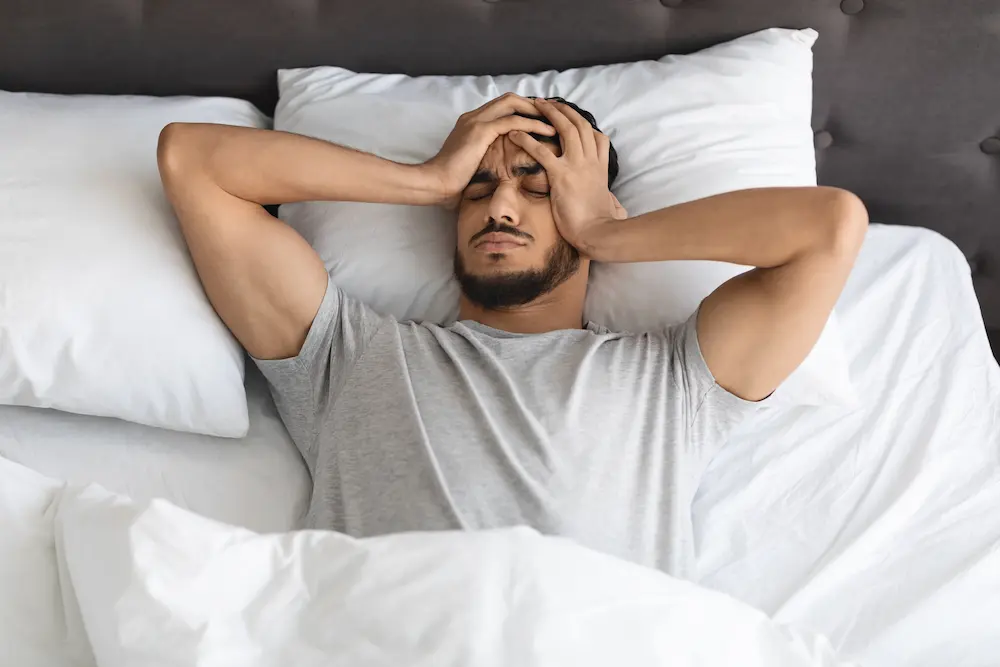
A young man lying in bed in a white shirt, holding his head with both hands with his eyes closed, appearing to suffer from a headache, stress, or withdrawal symptoms.

Why "Dry Month" Challenges Are More Than a Trend

Participating in National Alcohol Awareness Month by taking a "dry" break offers more than just a caloric deficit. It provides a "system reset" for your internal organs.


4 FAQ’s About Alcohol Awareness and Treatment

1. Is it safe to do the 72-hour test at home? If you are a heavy, daily drinker, no. Alcohol withdrawal is one of the few types of detox that can be fatal due to seizures. If you have a history of heavy use, you should seek medical detox at a professional Texas alcohol rehab like More Than Rehab to ensure your vitals are monitored.

2. I passed the 72 hours, but I went right back to drinking. Am I okay? Passing the test proves you can stop, but it doesn't address the why. If you find yourself immediately returning to heavy use, you may have a psychological addiction rather than just a physical one. This is where support groups and therapy become essential.

3. What is the NCADD? The National Council on Alcoholism and Drug Dependence (NCADD) is the organization that founded Alcohol Awareness Month. They provide resources for families to understand that alcoholism is a family disease, impacting everyone in the household.

4. How does MTR handle alcohol addiction? We don't believe in just "drying you out." Our alcohol addiction treatment involves the Social Model of Recovery, where you are surrounded by a community of others who are navigating the same Texas "booze culture" challenges. We provide the clinical tools to stay sober and the social support to enjoy it.


This April, Listen to Your Body

Alcohol is the only drug where people think it’s "weird" if you don't use it. This National Alcohol Awareness Month, give yourself permission to step back and assess your relationship with the bottle.

If the 72-hour test feels impossible, or if it reveals a level of discomfort you weren't expecting, don't be discouraged—be informed. Knowledge is the first step toward long-term sobriety.

At More Than Rehab, we have helped thousands of Texans navigate the path from "functional" use to true freedom. Whether you need a safe place to detox or a community to help you stay the course, our doors are open 24/7.

Take the first step toward a clearer tomorrow.

Call More Than Rehab 24/7: (888) 249-2191


Key Takeaways for April:

The Unseen Epidemic: Why Substance Abuse is Rising Among Texas Seniors

When we picture the "face" of addiction in 2026, many of us still default to the imagery of young adults at music festivals or students struggling with the pressures of university life. But there is a quieter, more shadowed epidemic unfolding across the Lone Star State—from the retirement communities of the Hill Country to the suburbs of San Antonio.

Recent data has highlighted a startling trend: substance use disorders (SUDs) are rising faster among adults over the age of 65 than almost any other demographic. This "Unseen Epidemic" is particularly complex because it often hides behind the natural symptoms of aging, making it one of the most difficult forms of addiction to detect and treat.

At More Than Rehab, we believe that age should never be a barrier to a fulfilling, sober life. Understanding why senior addiction in Texas is on the rise is the first step toward helping our elders reclaim their golden years.


An elderly woman with white hair stands in a dim room, holding a walking cane and gazing out a bright window. On a nearby side table, there is a clear glass of water and several prescription pill bottles, highlighting the "unseen" struggle of medication dependency and isolation among seniors.

The Perfect Storm: Why Now?

The surge in substance abuse in elderly populations isn't happening in a vacuum. It is the result of a "biopsychosocial" perfect storm—a combination of physical changes, psychological shifts, and social factors unique to this stage of life.

1. The "Medication Fog" and Chronic Pain

As we age, the body’s ability to process chemicals changes. The metabolism slows down, and the liver and kidneys become less efficient at filtering out toxins. This means that a prescription dosage that was safe at age 50 can become toxic at age 75.

Many seniors live with chronic pain, leading to long-term use of opioids. What starts as a legitimate prescription for a hip replacement or arthritis can slowly transition into a physical dependency. When the "fog" of these medications settles in, it can mimic the signs of dementia or "old age," allowing the addiction to go unnoticed by well-meaning family members.

2. Isolation and the "Empty Nest"

Isolation is one of the primary drivers of addiction at any age, but for seniors, it is often a forced reality. The loss of a spouse, the retirement from a long-term career, or children moving away can leave a void that is easily filled by a bottle of wine or a pill. In our social model of recovery, we recognize that "loneliness is a relapse trigger," and for seniors, that loneliness can be a daily weight.

3. The Stigma of "Old Habits"

There is a pervasive myth that "you can't teach an old dog new tricks," or that if someone has been a "heavy drinker" for forty years, there’s no point in stopping now. This stigma prevents many seniors from seeking geriatric dual diagnosis care because they feel ashamed or believe their time for change has passed.


Spotting the Signs: It’s Not Just "Aging"

One of the reasons this epidemic remains "unseen" is that signs of alcoholism in seniors and drug misuse often look exactly like the symptoms of aging. If you are concerned about a parent or grandparent, look for these "red flags" that go beyond typical aging:


Why Specialized Care Matters

Treating a 70-year-old for addiction requires a vastly different approach than treating a 20-year-old. At More Than Rehab, our Texas senior mental health resources focus on age-appropriate, respectful care.

Geriatric Dual Diagnosis

Seniors are highly susceptible to "co-occurring disorders." Depression and anxiety are common in the elderly, often triggered by health scares or grief. If a senior is "self-medicating" their depression with alcohol, treating the alcohol alone won't work. We utilize dual diagnosis care to treat the mental health root alongside the addiction, ensuring the person feels supported, not judged.


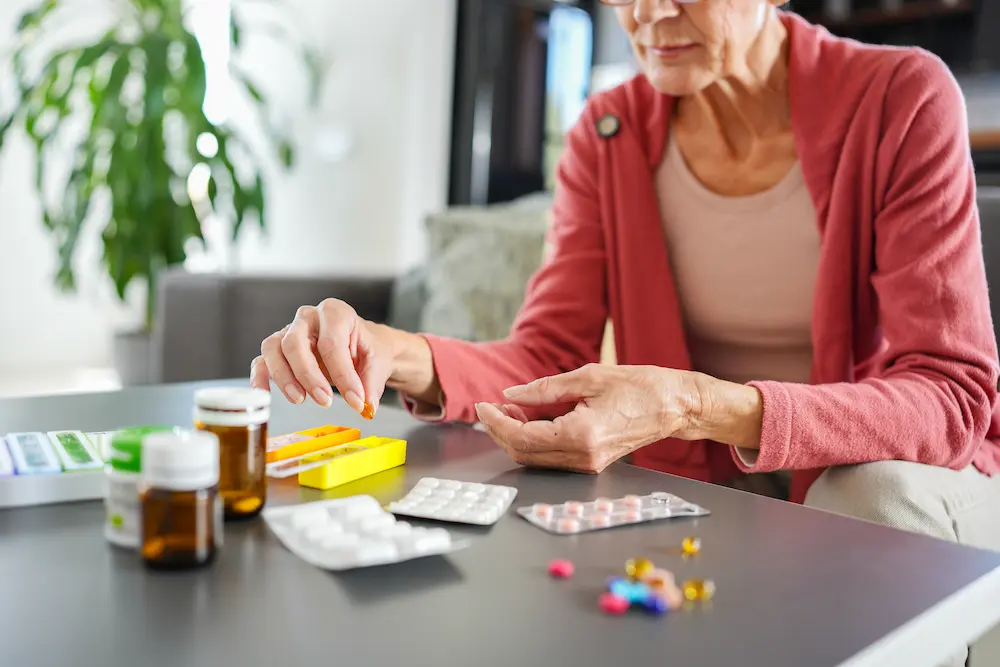
An elderly person wearing a red cardigan sits at a table, carefully sorting a large collection of prescription medication, blister packs, and a pill organizer. The image illustrates the complex management of daily medications that can sometimes lead to accidental misuse or "medication fog" in seniors.

4 FAQ’s About Senior Addiction

1. Is it dangerous for a senior to go through detox? Yes, it can be. Because of the physical vulnerabilities of an older body, "cold turkey" withdrawal from alcohol or benzodiazepines can lead to seizures or heart failure. This is why medical detox is essential. At More Than Rehab, we provide 24/7 medical monitoring to ensure the process is safe and as comfortable as possible.

2. Why do seniors abuse prescription drugs more than illicit drugs? Access is the primary reason. Most seniors aren't seeking out a "candyman" on the street; their "supply" often comes from their own medicine cabinet or a legitimate pharmacy. The danger is in the misuse—taking a pill more often than prescribed or mixing it with alcohol.

3. Can an older person really recover after decades of use? Absolutely. The brain remains "plastic" and capable of healing at any age. We have seen incredible success with seniors who, once cleared of the "medication fog," find a renewed sense of purpose and joy in their family life.

4. How can I talk to my parent about their drinking or pill use? Approach with empathy, not accusation. Use "I" statements, such as, "I am worried about your health because I've noticed you've been falling more lately," rather than "You are drinking too much." Offer to go with them to a consultation at a Texas rehab center like More Than Rehab.


Reclaiming the Golden Years

Your later years should be defined by the wisdom you've gained and the family you've built, not by a dependence on a substance. Whether the issue is alcohol, opioids, or anti-anxiety medication, there is a way out.

At More Than Rehab, we offer specialized family programs to help the children and grandchildren of addicted seniors understand the disease and support their loved one's journey. We provide a community of peers who understand the unique challenges of aging in the modern world.

It is never too late to start a new chapter. Recovery is a gift you can give yourself and your family at any age.

Call More Than Rehab 24/7: (888) 249-2191

The "7-OH" Surge: What Texans Need to Know About the Newest Gas Station High

If you’ve walked into a Texas smoke shop or gas station lately—from the busy hubs of Houston to the quiet corners of the Hill Country—you’ve likely seen a new wave of products with names like "HYDROXY," "7-Tabs," or simply "7-OH." To the average consumer, these look like just another herbal supplement or energy booster. But behind the flashy packaging and "natural" labeling lies a potent substance that is currently rewriting the rules of the Texas drug market.

As we move through 2026, 7-hydroxymitragynine (7-OH) has emerged as one of the most significant drug trends in the state. At More Than Rehab, we are seeing a sharp increase in individuals seeking help for a dependency they didn't even know they were developing.

Here is what every parent, educator, and Texan needs to know about the "7-OH" surge.


What is 7-OH? (And Why It’s Not Just "Kratom")

For years, Kratom (Mitragyna speciosa) has been sold as a natural alternative for pain and anxiety. Traditional kratom contains over 40 alkaloids, with mitragynine being the most abundant.

7-OH is a specific alkaloid found in trace amounts (usually less than 2%) in the natural leaf. However, the products flooding Texas shelves in 2026 are different. They are concentrated, semi-synthetic extracts that isolate 7-OH, often reaching purity levels of 90% or higher.

The Potency Gap

Research has shown that 7-OH is significantly more powerful than its parent compound. In fact, it is estimated to be 13 to 22 times more potent than morphine in its affinity for the brain’s mu-opioid receptors. While traditional kratom has a "ceiling effect" that often prevents severe respiratory depression, concentrated 7-OH behaves much more like a traditional, high-potency opioid.

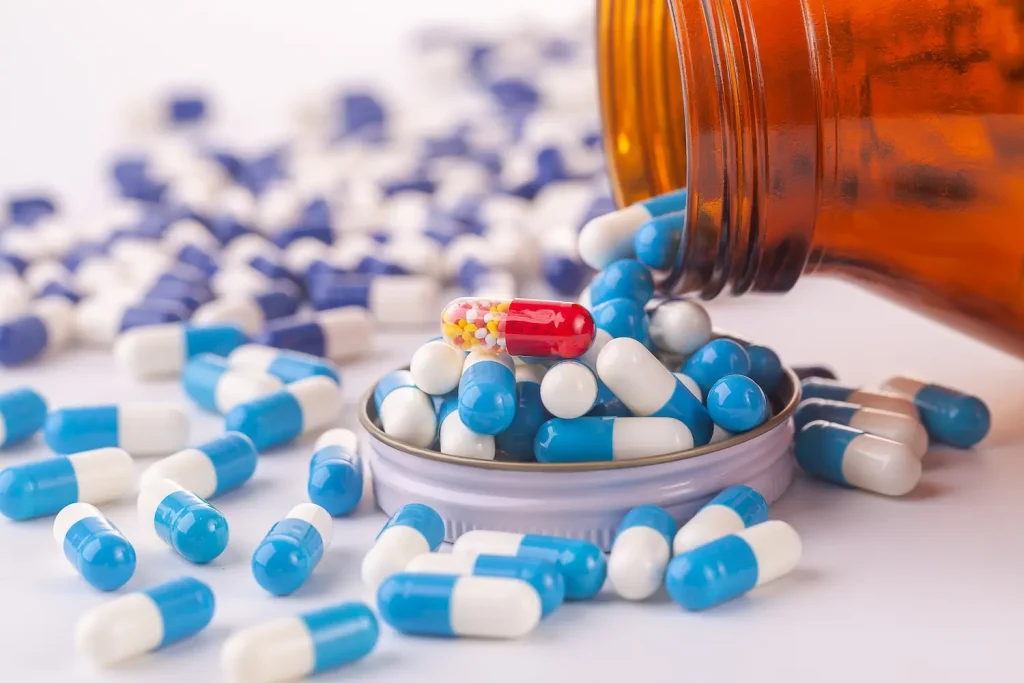
An amber medicine bottle spilled over on a white surface, scattering numerous blue and white capsules. Resting in the bottle's upturned cap among the blue pills is a single, distinct red and clear capsule filled with tiny colorful beads.

Why 7-OH is "Swimming" Across Texas

In a recent scan of Texas retail environments, drug trend experts noted that "we are swimming in 7-OH in Texas." The substance is particularly dangerous because it occupies a legal and social gray area.

  1. The "Natural" Trap: Because it is derived from the kratom plant, it is often marketed as "herbal" or "plant-based." This leads many young adults to believe it is as safe as a cup of coffee or a CBD gummy.
  2. Accessibility: You don't need a "plug" or a dark-web connection to find 7-OH. It is sold at the same counter where you buy gas and snacks. In many parts of Texas, despite recent legislative efforts like the Texas Kratom Consumer Health and Safety Protection Act, enforcement on these high-potency synthetics is still catching up.
  3. High-Tech Hiding: As we discussed in our [guide on high-tech hiding spots], 7-OH often comes in the form of small, flavored tablets or "shots" that are easily concealed in a backpack or locker.

Recognizing 7-OH Addiction and Side Effects

Because 7-OH binds so strongly to opioid receptors, the body develops a tolerance almost instantly. Users frequently report that within just a week of daily use, they need double the dose to feel the same effects.

Common Signs of 7-OH Use:

The Danger of Overdose

Unlike traditional kratom, 7-OH poses a real risk of respiratory depression. When combined with alcohol or benzodiazepines—a common occurrence during Texas Spring Break or music festivals—the risk of a fatal overdose increases exponentially.

Critical Fact: Because 7-OH acts on opioid receptors, Narcan (naloxone) can and should be used in the event of a suspected 7-OH overdose.

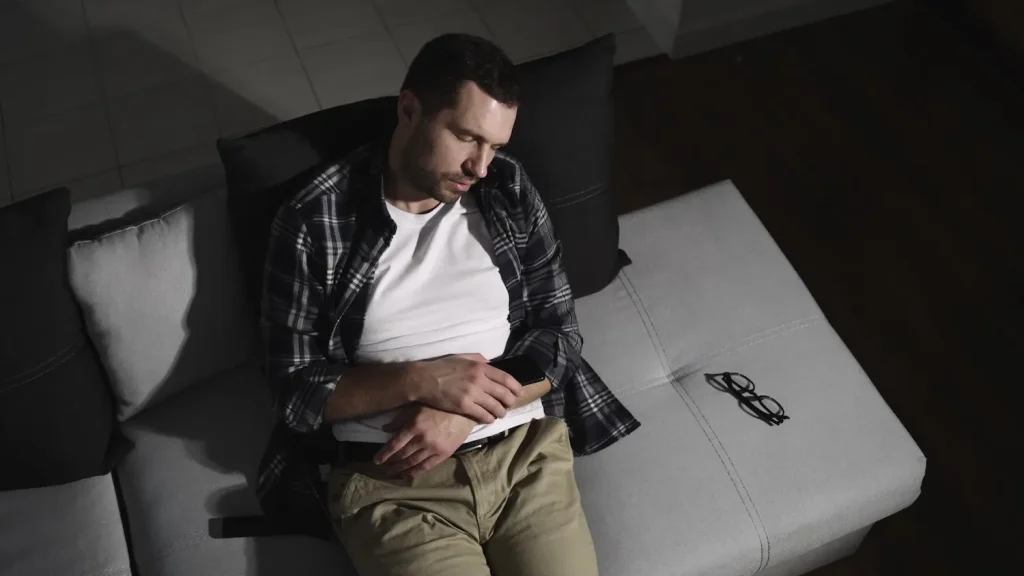
A man wearing a plaid shirt and khaki pants asleep on a gray sofa in a dark room, holding a smartphone with his glasses resting beside him.

The "Withdrawal Wall": Why It’s Hard to Quit

Many people realize they have a problem only when they try to stop. The 7-OH withdrawal symptoms are not "mild" or "herbal"—they closely mirror the agony of heroin or OxyContin withdrawal.

At More Than Rehab, we’ve found that many "wooks" (a slang term for certain [drug culture participants]) and young adults find themselves "stuck in a loop" with 7-OH, unable to function without the substance but miserable while on it.


4 FAQ's for Parents and Users

1. Is 7-OH legal in Texas? Texas law (HB 227 and SB 1868) has moved to regulate kratom, requiring products to be tested and labeled. Legally, kratom products cannot contain more than 2% 7-OH. However, the market is currently flooded with "adulterated" or "black market" products that bypass these rules, often containing 50 times the legal limit.

2. Will 7-OH show up on a standard drug test? Standard 5-panel or 12-panel employer drug screens typically do not look for kratom or 7-OH. This makes it a popular choice for people in "safety-sensitive" jobs or those on probation, allowing the addiction to grow "hidden in plain sight."

3. Is it possible to detox from 7-OH at home? While rarely fatal, the physical and psychological distress of 7-OH withdrawal is high. Without medical supervision, the "mood crash" and intense cravings lead to a very high relapse rate. [Medical detox] is strongly recommended to manage the flu-like symptoms and provide psychological stability.

4. How does MTR treat 7-OH addiction? We treat 7-OH dependency with the same intensity as opioid addiction. This includes a Social Model of Recovery that provides peer support, combined with integrated [Dual Diagnosis care] to address the anxiety or pain that led to the use in the first place.


Don't Let a "Gas Station High" Derail Your Life

The marketing for 7-OH is designed to make you think it’s a shortcut to energy or peace. In reality, for many Texans, it has become a dead end.

If you or your child has found themselves trapped by 7-hydroxymitragynine, you aren't alone, and you aren't "weak." You are dealing with a powerful opioid-like compound that has been engineered for addiction.

At More Than Rehab, we have the expertise to help you break the cycle. Our Texas centers offer a safe, confidential space to detox and rebuild.

The "legal" high isn't worth the very real cost. Call us today.

More Than Rehab 24/7 Helpline: (888) 249-2191

The "Glass House" Effect: Why the Social Model of Recovery is More Effective Than Isolation

For decades, the image of addiction recovery was one of profound isolation: a person locked away in a sterile clinical room, white-knuckling their way through intense cravings, alone with their thoughts and their shame. We have since learned that this "lone wolf" approach is not just difficult, it is often counterproductive. At More Than Rehab, we believe in a different path. We utilize a social model of recovery because we know that connection is the literal "anti-drug."

Isolation is the breeding ground for relapse. When someone is cut off from a supportive community, they are left to face the "vicious cycle" of addiction and mental health issues without a safety net. This is why our philosophy centers on community integration and peer support. We don't just want you to get sober; we want you to belong.

Shattering the Glass House: Connection vs. Isolation

The "Glass House" effect describes the fragility of a recovery built in isolation. It may look clear and structured from the outside, but without the support of others, one single "stone" like a stressful day, a negative emotion, or a sudden trigger, can cause the whole structure to shatter.

In contrast, a collaborative recovery model builds a foundation of reinforced support. Instead of a fragile glass house, you are part of a community. If you stumble, there are others there to catch you. If you have a bad day, there is a peer who has been exactly where you are and can guide you back to center.

Why Isolation Leads to Relapse

Isolation feeds the "whack-a-mole" effect of co-occurring disorders. When a person struggles with both addiction and a mental health condition like depression or PTSD, treating one in isolation often causes the other to flare up. Untreated anxiety or loneliness intensifies substance use, creating a cycle that is nearly impossible to break alone.

The Social Model: Peer Support for Addiction

A core component of our approach is peer support for addiction. There is a unique power in hearing, "I've been there, and I made it through," from someone who isn't wearing a lab coat. Peer groups, such as those found in AA, NA, or SMART Recovery, provide a lasting role in maintaining gains made during initial treatment.

In a social model, you are surrounded by individuals who:

Integrated and Community-Based Treatment

While social support is vital, it must be paired with expert care. Community-based treatment at More Than Rehab means we treat the whole person in a setting that mirrors real-world social dynamics.

Beyond "Getting Sober First"

A dangerous myth in the industry is that someone must “get sober first” before addressing any mental health issues. In reality, experts warn this approach often fails. Simply staying clean doesn't automatically resolve underlying psychiatric issues like major depression, bipolar disorder, or PTSD. Without integrated care, the untreated disorder usually resurfaces and drives a relapse.

Our Texas rehab centers use integrated care to address addiction and mental health simultaneously. Studies find that clients who address mental health and addiction together use fewer substances over time and have fewer hospitalizations than those who treat only one disorder. This is especially true for those dealing with "Super Meth" or fentanyl, where the brain's reward system has been rewired and requires a comprehensive "whole-person" approach.

Building a Relapse Prevention Plan Through Community

Long-term sobriety isn't a destination; it's a practice. A major part of the social model involves creating a personalized relapse-prevention plan that leans heavily on community resources.

4 FAQ's About the Social Model of Recovery

1. What is the difference between a medical model and a social model of recovery?

The medical model often treats addiction as a clinical biological issue to be "fixed" through traditional medicine and isolation. The social model of recovery views the environment and social connections as primary drivers of healing, emphasizing peer support and community integration alongside clinical care.

2. Can I still get clinical help in a social model program?

Absolutely. At More Than Rehab, we combine the best of both worlds. We offer inpatient treatment with 24/7 medical monitoring and detox while maintaining a community-focused atmosphere where you attend support groups and group therapy.

3. Is the social model effective for "Super Meth" or fentanyl addiction?

Yes. Because these substances hit the brain's reward system so hard and cause such intense cravings, a strong social support network is essential to help a person stay grounded through the difficult early stages of recovery.

4. How does a community help with dual diagnosis?

In integrated dual diagnosis care, group therapy allows individuals to see that they are not alone in their mental health struggles. Sharing coping strategies for anxiety or PTSD helps normalize the experience and reduces the shame that often drives substance use.

Take the Next Step with More Than Rehab

Recovery is not meant to be a solo journey. If you are tired of living in the "Glass House" of isolation and are ready to join a community that will stand by you, we are here. Our Texas-based programs offer a warm, personalized approach that treats both your addiction and your mental health together.

Don't face the cycle of addiction alone. Reach out to our team of specialists today.

Call More Than Rehab 24/7:

888-249-2191

California Sober? The Hidden Dangers of Semi-Sobriety

In the last few years, a new term has infiltrated the recovery lexicon, popularized by celebrities and social media influencers alike: "California Sober."

If you scroll through TikTok or Instagram, you might see people claiming that this lifestyle is the "balanced" answer to addiction. But what does it actually mean? And more importantly, is it a legitimate path to recovery, or is it a relapse waiting to happen?

For someone struggling with opioid use disorder or alcoholism, the idea of "California Sober" sounds like a dream come true. It promises a version of recovery where you don't have to give up everything. However, at More Than Rehab, we have seen firsthand that for the chronic addict, this "middle ground" is often a trapdoor that leads straight back to rock bottom.

What Is California Sober?

There is no medical definition for this term, but generally, California Sober typically describes a lifestyle where a person abstains from "hard" drugs (like heroin, meth, or cocaine) and alcohol, but continues to use marijuana and, in some cases, psychedelics such as psilocybin mushrooms.

The logic seems simple: "I had a problem with heroin, not weed. So if I just stick to weed, I'm safe."

Proponents argue this is a form of harm reduction, or a strategy aimed at reducing the negative consequences of drug use rather than eliminating it entirely. While we agree that smoking marijuana is less immediately fatal than say, injecting fentanyl, viewing it as a long-term recovery strategy ignores the fundamental wiring of the addict’s brain.

Cross Addiction Explained

To understand why this approach is dangerous, you have to understand the concept of cross addiction and its effects on your mental health. Addiction is not just about a specific substance; it is about the brain's reward system.

When you have a substance use disorder, your brain has been rewired to seek dopamine releases to cope with stress, boredom, or sadness. Whether that dopamine comes from a bottle of vodka or a vape pen, the mechanism is the same.

If you are recovering from alcohol use disorder, your brain is healing and learning to regulate emotions on its own. If you introduce high-potency THC (the active ingredient in marijuana), you are hijacking that reward system again. You are teaching your brain that it still needs a chemical crutch to function.

This is why we call it the slippery slope. For many, the lowered inhibitions caused by marijuana use eventually lead them to say, "Well, I'm already high, having one drink won't hurt." And just like that, the cycle of active addiction restarts.

Is Weed Safe for Recovering Alcoholics?

A common myth we hear is that marijuana is "natural" and therefore harmless. However, is weed safe for recovering alcoholics? The clinical answer is generally no, especially with today’s products.

Modern cannabis is not the same plant from 30 years ago. It is engineered for extremely high potency. This can lead to cannabis use disorder, which comes with its own set of withdrawal symptoms, including:

If you are using marijuana to manage the anxiety of quitting drinking, you aren't recovering; you are just symptom-swapping. You are trading liver damage for cognitive impairment and potential mental health issues like psychosis, which is becoming increasingly common, especially with high-concentration THC waxes and oils available on the legal market today.

Abstinence vs. Harm Reduction

There is a major debate in the medical community regarding abstinence vs harm reduction.

Harm reduction saves lives in the short term. Needle exchange programs and Narcan distribution are vital health issues initiatives that keep people alive long enough to get help. If "California Sober" keeps someone from overdosing on fentanyl today, that is a positive step.

However, harm reduction is rarely a sustainable lifestyle for someone with severe addiction. The goal of evidence based addiction treatment (like the programs we offer at More Than Rehab) is not just "not dying." The goal is freedom from substances entirely.

True recovery means freedom from the obsession to use. It means waking up in the morning and not needing a substance to face the day. Semi-recovery keeps you chained to the belief that you cannot handle life on life’s terms without a buffer.

The Risks of Semi-Recovery

The risks of semi-recovery go beyond just the physical. They stunt your emotional growth.

Dangerous Drugs in Disguise

Another major risk is the unregulated market. You may think you are buying "safe" marijuana, but some street drugs, (including cannabis) are being increasingly laced with dangerous drugs like fentanyl.

Conclusion: Why Full Sobriety is Worth It

"California Sober" tries to bargain with addiction. It says, "I can keep a little bit of the chaos, just not the life-ruining part." But addiction is a progressive illness. It rarely settles for "a little bit."

Marijuana maintenance dangers are real. It often acts as a placeholder, keeping the seat warm for your drug of choice to return.

At More Than Rehab, we believe you deserve more than a half-life. You deserve the clarity, pride, and authentic joy that comes from full sobriety. If you are tired of negotiating with your addiction, it’s time to try something different.

Are you ready for the real thing? If you are looking for addiction treatment that treats the whole person, not just the symptoms, then we are here for you or your loved one. Call us 24/7 to learn about our evidence-based, abstinence-focused programs.

888-249-2191

Winter Blues or Relapse Warning? Navigating Seasonal Depression in Recovery

The holidays are over. The decorations are packed away, the family has gone home, and the "New Year, New Me" excitement is starting to wear off. Now, we are left with the gray skies, cold winds, and short days of January and February that for many, lead to the "winter blues".

For many people in recovery, this specific time of the year is dangerous. You might feel heavy, unmotivated, or irritable. You might tell yourself, "I'm just having a bad week," but if these feelings persist, you might be dealing with seasonal affective disorder (SAD).

Understanding the link between SAD and addiction is vital because, for us, "winter blues" aren't just annoying—they are a direct relapse trigger. If left unchecked, this condition can jeopardize your sobriety, making it crucial to recognize the signs and have a solid plan in place.

What is Seasonal Affective Disorder?

Many people joke about the "winter blues," but seasonal affective disorder is a clinically recognized condition. It is a specific type of depression that follows a seasonal pattern, typically starting in late fall and peaking in January and February.

young-woman-with-blue-hair-looking-outside-at-winter-weather-feeling-sad

It is not just about "being sad about the weather." It is a biological response to a lack of sunlight, which disrupts your body’s circadian rhythm and serotonin levels. Unlike typical depression, which might cause insomnia or a loss of appetite, SAD often presents itself with unique symptoms that can feel physical:

The Addiction Connection: Why We "Self-Medicate"

For someone with a history of drug addiction or alcoholism, these symptoms are terrifyingly familiar. The lethargy and low mood caused by SAD can feel exactly like the onset of withdrawal or deep depression.

When your brain is low on serotonin (the "feel-good" chemical), it starts looking for a quick fix. In the past, that fix was substances. This is where the danger lies: people often begin self-medicating to combat the winter gloom without realizing they are battling a chemical imbalance caused by the season.

You might think, "I'm sober, so why do I feel this miserable?" That thought process is a trap. It leads to the lie that drugs or alcohol were the only things that made you feel "normal." Recognizing that your mental health is being affected by the season—not a failure of your program—is the first step in staying safe.

Dual Diagnosis Seasonal Affective Disorder

At More Than Rehab, we treat addiction as a dual diagnosis issue. This means we don't just look at the substance abuse; we look at the underlying mental health conditions driving it.

Dual diagnosis with seasonal affective disorder is more common than you might think. Studies suggest that people with SAD are significantly more likely to struggle with substance abuse than the general population. If you treat the addiction but ignore the seasonal depression, you are leaving a back door open for relapse.

Effective treatment requires addressing both. You cannot simply "white knuckle" your way through seasonal depression. Just as you wouldn't ignore a broken leg, you shouldn't ignore a brain chemistry imbalance just because the calendar says it's January.

sleep-patterns-seasonal-affective-disorder-SAD-type-of-depression-mental-health-weight-gain-drug-addiction

Building Your Winter Sobriety Tips & Action Plan

Surviving the winter slump requires more than just willpower; it requires strategy. Here are some practical winter sobriety tips to help you stay on track.

1. Update Your Relapse Prevention Plan

A relapse prevention plan is a living document. What worked for you in July might not work in January. Sit down with your sponsor or therapist and specifically map out how you will handle the next two months.

2. Prioritize Light and Movement

Since SAD is triggered by a lack of light, fight back with lumens. Light therapy (using a 10,000 lux lamp) is a proven treatment for this type of depression. Even 20 minutes a day can trick your brain into producing more serotonin.

Additionally, regulate your sleep patterns by waking up at the same time every day, even if it’s dark. Exercise is also non-negotiable, as it releases natural endorphins that combat the lethargy associated with addiction and winter blues.

3. Lean Into the Social Model

SAD makes you want to isolate. It tells you to stay in bed, cancel plans, and avoid people. In our social model of addiction recovery, we know that isolation is the enemy. You have to move a muscle to change a thought. Go to meetings. Stay late for coffee. If you are struggling with weight gain or fatigue, talk about it. You will likely find half the room is feeling the exact same way.

peer-support-groups-therapy-AA-NA-meeting-mood-disorders-heart-disease-symptoms-of-depression-side-effects-fall-asleep-medical-conditions-depressive-symptoms-social-model-of-addiction-recovery

Frequently Asked Questions

Q: Can Vitamin D help with SAD and cravings?

A: Vitamin D deficiency is incredibly common in the winter and mimics symptoms of depression. While it won't stop addiction cravings instantly, correcting a deficiency can drastically improve your overall mental health and resilience against triggers.

Q: Is SAD really different from regular depression?

A: Yes. The key difference is the timing. If your depression consistently appears in late fall and resolves in the spring, it is classified as Major Depressive Disorder with Seasonal Pattern. This distinction matters because treatments like light therapy are specifically effective for this type of depression.

Q: How do I know if I'm self-medicating or just enjoying the holidays?

A: If you are using a substance (or even food/behavior) to change the way you feel because you can't tolerate your natural emotions, you are self-medicating. In recovery, we learn to sit with discomfort rather than numbing it.

Q: Should I change my recovery meetings in the winter?

A: It might be a good idea. If you usually go to evening meetings but find the dark drives depressing, try switching to a noon meeting or a morning group. Adapting your schedule to support your mental health is a smart move.

Are you or a loved one struggling to navigate the winter months sober? Don't let the season dictate your recovery. If you suspect dual diagnosis seasonal affective disorder is impacting your life, reach out for professional help.

Call More Than Rehab 24/7:

888-249-2191